Program Details
Breast Cancer PEP (Patient Empowerment Program)
Breast Cancer PEP (BreastPEP) is a comprehensive, science-based program designed to complement your medical care and support your physical, emotional, and social well-being throughout the breast cancer experience.
For six months, you will receive a short daily email with a brief “PEP” video that teaches, demonstrates, and encourages healthy, home-based practices designed to support recovery, resilience, and long-term well-being.
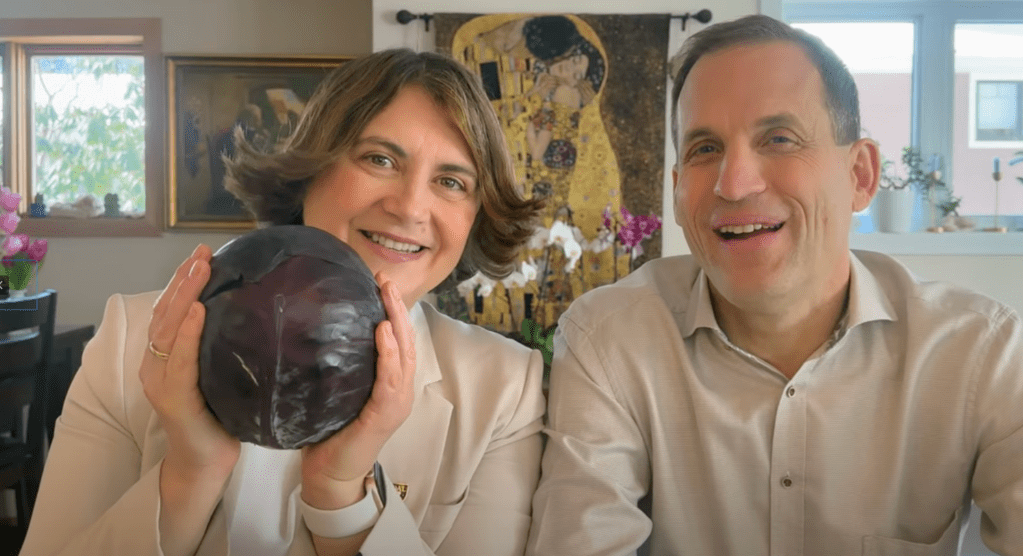
Each week, you will also receive additional teaching videos, including cooking, movement, relaxation, visualization, and other program components. Once a month, you are invited to join Drs. Gabriela Ilie and Rob Rutledge for a live online videoconference with other participants and PEP Mentors. You are also welcome to join our private Facebook community for additional peer support.
Daily Program
Each day, you will be guided through core PEP activities that support physical and emotional health. These include:
- Physical activity and progressive strength training
- Breast-cancer-specific arm and shoulder physiotherapy
- Yoga and Qi gong
- Relaxation, breathwork, and stress-reduction techniques
- Guided visualization and meditation
- Healthy nutrition
- Sleep and restorative health practices
- Healthy habit formation
- Emotional resilience and psychological flexibility
- Relationships, communication, intimacy, and social connection
- Self-compassion, gratitude, and meaning-making
Throughout the program, we explain the science behind these practices and provide practical strategies to help you gradually build sustainable routines that support your health and quality of life.
Daily Arm and Shoulder Physiotherapy
Arm and shoulder physiotherapy is an important component of BreastPEP.
Participants receive simple guided exercises designed to support mobility, range of motion, flexibility, strength, and upper-body function before and after breast cancer surgery and throughout recovery.
The exercises are designed to help:
- Prepare the arm, shoulder, and chest area before surgery through prehabilitation
- Maintain and restore mobility and range of motion
- Reduce stiffness and discomfort following surgery
- Support gradual recovery of upper-body strength and function
- Encourage safe movement during treatment and recovery
The exercises can be completed at home and are accompanied by clear video guidance for different stages of the breast cancer care pathway.
Participants should follow the recommendations of their healthcare team and seek medical advice if they experience significant pain, swelling, difficulty with movement, or other concerns.
Strength Training, Yoga, and Qi Gong
On selected days each week, participants receive guided strength-training videos designed to be completed at home. The program offers different levels of difficulty so participants can choose exercises that are appropriate for their abilities and stage of treatment or recovery.
Strength training emphasizes accessible movements using body weight and other simple forms of resistance where appropriate.
Participants may also choose from guided yoga and Qi gong practices to support strength, flexibility, balance, mobility, relaxation, and body awareness.
Exercises can be modified according to individual needs. Participants should seek guidance from their healthcare team when exercise safety is uncertain, particularly following surgery or during active treatment.
Weekly Themes
Monday – Sleep and Restorative Health
Practical, evidence-informed strategies to improve sleep quality and develop routines that support rest and recovery.
Tuesday – Healthy Habits
Simple tools based on the science of habit formation to help participants build meaningful, sustainable daily routines through small and achievable steps.
Wednesday – Stress, Anxiety, and Emotional Regulation
Practical skills for reducing stress, calming the nervous system, managing anxiety, and navigating uncertainty or fear of cancer recurrence.
Thursday – Thought Training and Psychological Flexibility
Principles drawn from Acceptance and Commitment Training (ACT) and other evidence-informed approaches to help participants respond differently to difficult thoughts and emotions and focus on what matters most to them.
Friday – Review, Reflection, and Healthy Living
Opportunities to revisit program teachings and explore topics such as self-compassion, gratitude, healthy routines, nutrition, and other practices that support well-being.
Saturday – Nutrition, Cooking, and Relationships
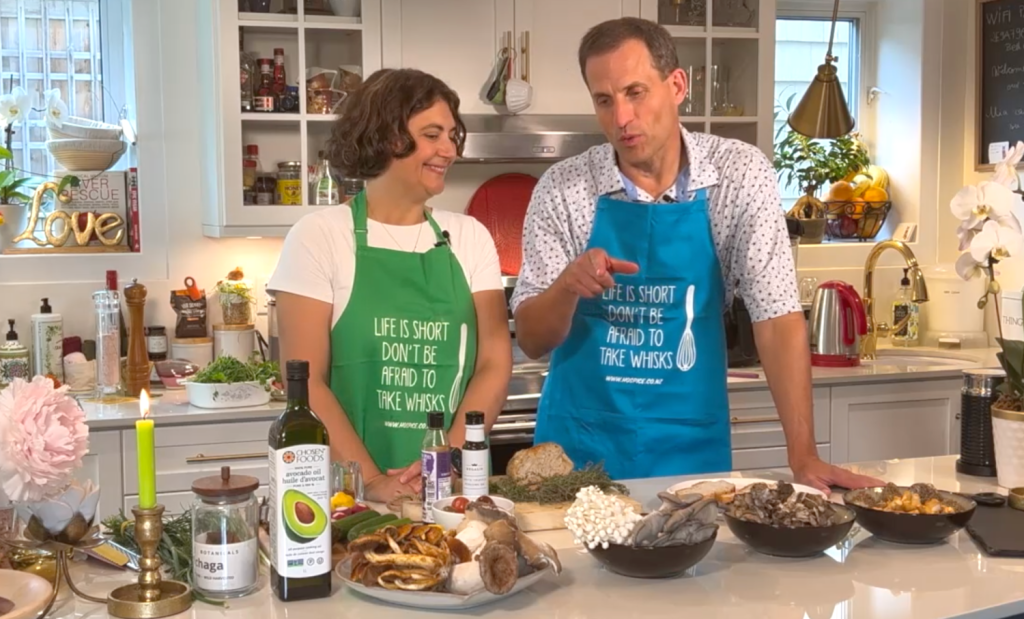
Cooking videos feature nutritious, practical recipes alongside education about healthy eating.
Additional teaching focuses on communication, relationships, intimacy, social connection, and maintaining supportive relationships during and after cancer treatment.
Sunday – Inner Peace, Visualization, and Emotional Healing
Participants are introduced to guided visualization, meditation, forgiveness, letting go of the past, compassion, and other mind-body practices intended to support emotional well-being and inner peace.
Some of these teachings draw from the secular work Love Is Letting Go of Fear by Dr. Gerald Jampolsky.
Optional Weekly Progress Survey
A brief confidential weekly survey allows participants to reflect on their activities and experiences during the previous week and helps the research team understand engagement with the program.
Monthly Live Online Videoconferences
Participants are invited to join live monthly online videoconferences with program leads Dr. Gabriela Ilie and Dr. Rob Rutledge, together with current participants and PEP Mentors.
These videoconferences have been held continuously since the PEP program began in 2019 and continue beyond completion of the six-month program. Participants who complete PEP are welcome to continue attending for as long as they find the sessions helpful.
The meetings provide ongoing science-based education and updates across the various components of the program, including exercise, nutrition, sleep, stress reduction, relationships, emotional well-being, healthy habit formation, and other topics relevant to living well during and after cancer.
They also provide a continuing space for questions, shared learning, encouragement, mentorship, and connection.
Over time, these monthly meetings have developed into an ongoing international PEP community, bringing together participants and Mentors from Canada, New Zealand, and other countries. People who are newly beginning the program can therefore learn alongside those who have completed it and continued participating for many years.
Private Facebook Group (Optional)
Our moderated CancerPEP Facebook group provides an additional space for participants to connect, share experiences, ask questions, and encourage one another.
Participation in the Facebook group is completely optional.
Summary
Breast Cancer PEP is a comprehensive, science-based, daily, home-based program designed to support physical, emotional, and social well-being before, during, and after breast cancer treatment.
The six-month daily program helps participants build practical skills and sustainable health-promoting routines, while the monthly PEP community provides an opportunity for continued learning, connection, mentorship, and support well beyond the initial six months.
Participants are encouraged to engage with the program in a way that is safe, manageable, and supportive of their individual needs and medical care.
 bcpep.org